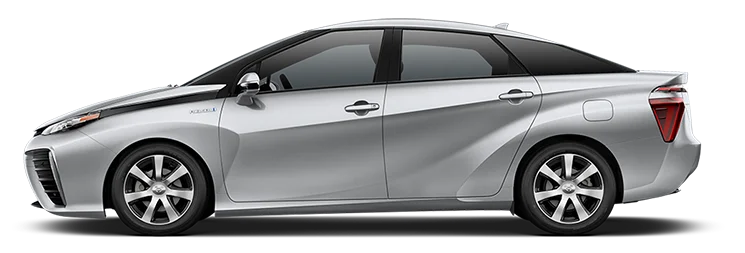
Imagine your electric vehicle is starting to behave strangely: the range has decreased, the car is taking longer to charge, or a warning light has come on. In such cases, an Electric Vehicle High-Voltage Battery Inspection is necessary. We conduct thorough diagnostics to understand the issue, assess the battery's wear, and determine what can be done for its restoration or safe operation.
When Should You Check the High-Voltage Battery of Your Electric Vehicle?
- Decreased range of the electric vehicle
- Extended charging time for the battery
- Appearance of warning indicators on the dashboard
- Uneven heating or overheating of the battery
- The electric vehicle suddenly loses power
- Poor performance of the energy recovery system
- The car won't start or shuts off by itself
- Suspected damage after an accident
What Does Our High-Voltage Battery Inspection Include?
- Visual inspection of the battery and its components
- Checking the charge level and condition of the cells
- Testing the battery cooling system
- Diagnosing voltage and resistance within the battery
- Determining the degree of wear and degradation of the elements
- Checking the functionality of the control electronics
- Identifying potential damages or leaks
- Recommendations for further actions and possible repairs
Additional Information About the Service
An Electric Vehicle High-Voltage Battery Inspection is a crucial procedure that helps you understand the current condition of the most important part of your electric vehicle. The battery is responsible for range and safety, so we carefully check every aspect to ensure you can drive with confidence and without surprises.
Diagnostics and Preparation
Our specialists begin with a visual inspection of the battery and all its connections. We pay attention to signs of damage, corrosion, or leaks. Then, using specialized equipment, we measure the voltage and resistance of each cell, check the charge level, and ensure the cooling system is functioning correctly. All this helps identify any issues that may affect the battery's performance.
Repair and Maintenance Options
If we find that some cells are losing capacity or operating inconsistently, we can offer restoration options. Sometimes we can replace individual elements or recalibrate the control system to extend the battery's lifespan. In cases of serious damage or significant wear, we recommend replacing the battery entirely - this is safer and more reliable.
Final Checks and Recommendations
After all procedures, we conduct a follow-up diagnosis to ensure the battery is functioning correctly and safely. Our specialists also provide advice on operation to slow down wear and avoid future problems. Typically, the entire inspection takes a few hours, but this time is worth investing in your confidence on the road.